Record Diesel Prices Stress Markets and Broader Economy
Surging diesel costs are amplifying inflation pressures and exposing vulnerabilities across stock markets and supply chains.
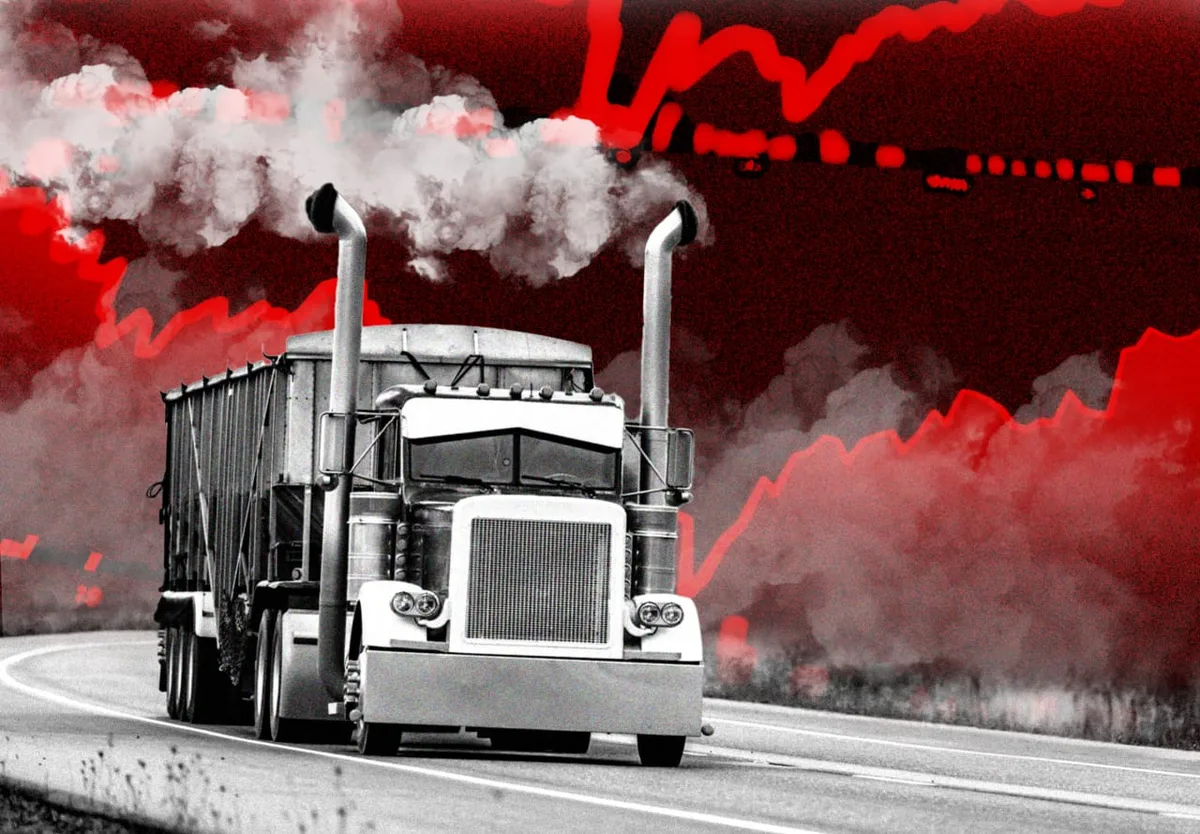
Record diesel prices have emerged as a significant stress point for both financial markets and the broader U.S. economy, raising concern among investors and analysts that sustained elevated fuel costs could keep inflation stubbornly high.
Diesel is a critical input across a wide range of industries, from freight trucking and agriculture to manufacturing and construction. When diesel prices spike, those costs ripple outward through supply chains, ultimately raising the price of goods for businesses and consumers alike — compounding inflationary pressures that policymakers are already struggling to contain.
Read more Three Key Factors Shaping Stock Market Direction This Week →
One of the central risks identified by market watchers is not simply that diesel prices have hit record levels, but that they may remain elevated for an extended period. Persistent high prices would sustain upward pressure on inflation rather than delivering the temporary shock that markets can more readily absorb and move past.
For equity investors, prolonged diesel price strength creates a difficult backdrop. Companies with heavy logistics or transportation exposure face margin compression if they cannot pass fuel costs on to customers quickly enough, while consumer-facing businesses risk demand destruction as household budgets tighten under the weight of broader price increases.
The situation underscores how commodity markets can transmit stress into the financial system in ways that are not always immediately visible in headline economic data. Continue reading at MarketWatch.com